

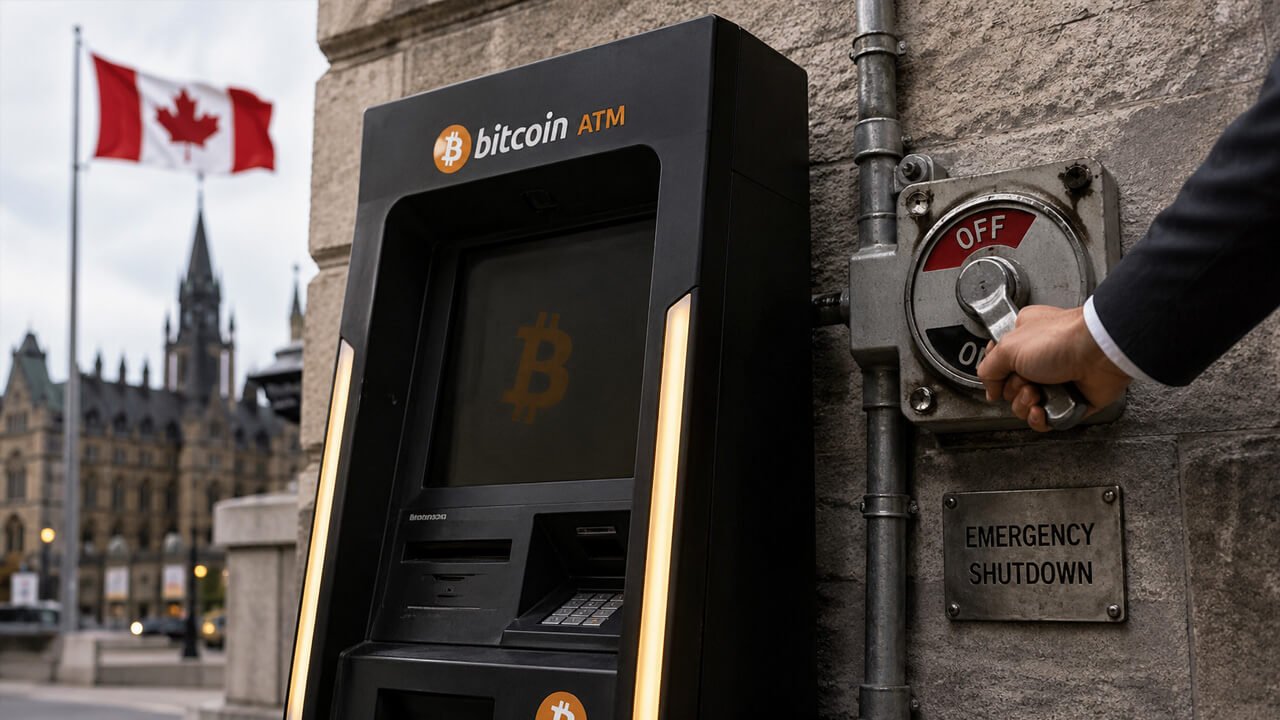
Canada’s crypto ATM debate reaches a turning point
Canada is moving toward one of the toughest crypto ATM crackdowns in the world, and the debate is no longer only about machines in convenience stores. It has become a larger political fight over Bitcoin access, consumer protection, and the growing pressure on governments to act when crypto products become linked with fraud. For years, crypto ATMs were promoted as a simple bridge between cash users and digital assets. Now, Canadian officials are treating them as a high-risk channel that scammers can use too easily.
The proposal comes with strong symbolism. Canada was home to one of the world’s first Bitcoin ATMs, making the country an early part of crypto’s retail adoption story. More than a decade later, that same access point is being questioned by policymakers who argue that the machines have become too useful for criminals. The issue is not whether Bitcoin itself is legal. The issue is whether unattended cash-to-crypto machines can still be defended when fraud losses keep rising.
Why crypto ATMs became an easy target
Crypto ATMs are politically easier to attack than many other parts of the crypto market because they are visible, physical, and simple to understand. A policymaker does not need to explain decentralized finance, private keys, bridges, or tokenomics to make the case. They can point to a machine in a shop and say it allows victims to send money quickly and permanently to scammers.
This matters because many scams rely on urgency and confusion. Victims may be told to deposit cash into a crypto ATM to pay fake taxes, protect a bank account, settle a false legal issue, or send money to someone pretending to be a trusted person. Once the crypto transfer is completed, recovery is extremely difficult. Unlike a bank transaction, there is usually no customer service department that can reverse the payment.
The machines also reduce human friction. A bank teller might notice that someone is panicked, confused, or being coached by a scammer. A machine cannot judge that situation in the same way. Even if warnings appear on the screen, a frightened victim may still continue the transaction. That makes crypto ATMs a powerful tool for legitimate users, but also a dangerous tool when scammers control the conversation.
Fraud fears are reshaping crypto regulation
Canada’s concern is part of a wider trend. Governments are becoming less willing to tolerate crypto products that they believe create obvious consumer harm. In earlier years, regulators often focused on exchanges, securities law, and anti-money-laundering compliance. Now the focus is expanding toward retail access points that expose ordinary people to fast, irreversible losses.
This shift creates a difficult problem for the crypto industry. Operators can argue that they follow compliance rules, display scam warnings, and report suspicious activity. But if regulators believe the business model still allows large amounts of fraud, those defenses may not be enough. The political question becomes simple: should the government improve safeguards, or should it remove the product completely?
Canada appears to be leaning toward removal. That is why the proposal matters beyond the ATM sector. It suggests that once a crypto access point becomes strongly associated with fraud, regulators may decide that consumer protection is more important than preserving convenience.
The access problem for ordinary users
A full crypto ATM ban would not mean Canadians can no longer buy digital assets. Users could still access crypto through regulated exchanges and other approved financial channels. However, that does not fully solve the access problem. Some people use crypto ATMs because they rely on cash, do not have easy banking access, or want a simple way to make small crypto purchases without navigating an exchange platform.
For these users, crypto ATMs are not just speculative tools. They are a direct on-ramp into Bitcoin and other assets. Removing that option could push them toward more complicated platforms, less convenient services, or even informal markets. That is why the issue is not only about fraud prevention. It is also about whether regulators can protect victims without cutting off legitimate users who depended on the machines.
This is the central tension in Canada’s proposal. Crypto ATMs have real risks, but they also serve real users. A ban may reduce one fraud channel, but it may also narrow legal crypto access for people who do not fit neatly into the traditional banking system.
Bitcoin access becomes a political issue
The debate also shows how Bitcoin access can become political when fraud enters the conversation. Bitcoin supporters often argue that open access is one of crypto’s most important features. Anyone should be able to buy, hold, and transfer value without needing permission from banks or centralized institutions. Crypto ATMs fit that philosophy because they offer a direct, cash-based route into digital assets.
But governments view that same feature differently when criminals use it. What Bitcoin advocates see as financial freedom, regulators may see as a weak point in the financial crime system. The machines become a symbol of the broader conflict between permissionless access and consumer safety.
This is why Canada’s proposal could influence other countries. If a major economy can justify banning crypto ATMs on fraud grounds, other regulators may follow with stricter limits, licensing rules, transaction caps, or full removals. The industry may then face a new reality where access points are judged not only by compliance paperwork, but by whether governments believe they create unacceptable public harm.
What this means for crypto adoption
Canada’s crypto ATM proposal does not end the Bitcoin adoption story, but it does change the tone. The next phase of adoption may require stronger safeguards, better identity checks, fraud detection tools, transaction delays, and clearer consumer protection rules. Crypto companies that serve retail users will need to prove that convenience does not come at the cost of public trust.
For Bitcoin, the larger lesson is clear. Access matters, but trust matters too. If crypto products become known mainly as tools used in scams, regulators will move aggressively. If the industry wants to defend open access, it must also show that it can reduce fraud before governments decide to remove risky products entirely.
FAQs
Why does Canada want to ban crypto ATMs?
Canada wants to ban crypto ATMs because officials believe scammers use them to collect money from victims and move criminal cash into crypto. The machines allow fast, irreversible transactions, which makes them risky during fraud attempts.
Does this mean Bitcoin will be banned in Canada?
No, the proposal is focused on crypto ATMs, not Bitcoin itself. Canadians would still be able to buy digital assets through other regulated platforms and approved financial channels.
Why are crypto ATMs risky for fraud victims?
Crypto ATM transactions are usually fast and difficult to reverse. Scammers often pressure victims to deposit cash and send crypto quickly, leaving little time for banks, family members, or authorities to intervene.
Could other countries follow Canada’s approach?
Yes, other countries may watch Canada’s move closely. If the ban is seen as effective, regulators elsewhere could introduce stricter rules, lower transaction limits, tighter licensing, or similar restrictions on crypto ATMs.
